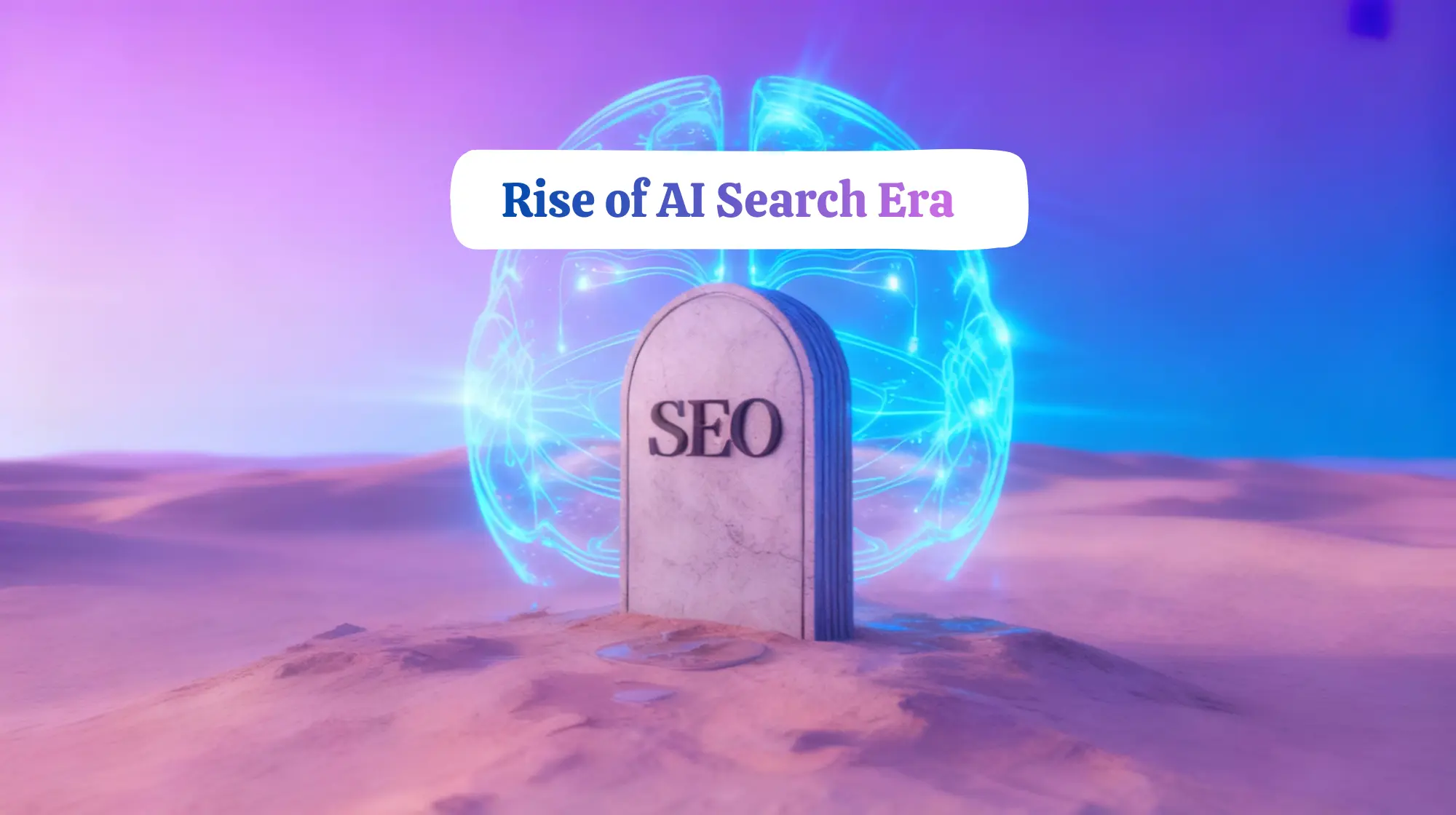
Every Year, It's the Same Story
Someone declares that SEO is dead. AI is the killer this time. Before that, it was voice search. Before that, it was social media. And here we are, with search volumes, SERP competition, and marketing budgets for SEO higher than ever. So what’s really going on?
Search demand is rising, not shrinking.
According to data from Google’s own tools—Keyword Planner, Trends, and Search Console across most industries:
- Queries have grown YOY by 5–12%, especially in high-intent and localized search.
- Platforms like ChatGPT, Perplexity, and Gemini haven't replaced Google—they've supplemented it.
- Even with the rollout of AI Overviews, CTR may decline slightly, but total search activity has increased.
Why This Myth Exists: Marketing Theater
Let’s be honest. Declaring the death of SEO gets clicks. It stirs fear. It gives platform creators and AI startups a sharp hook to pitch their “new paradigm.”
What’s dead is the old SEO—the keyword stuffing, backlink buying, and 300-word blog farming.
- Topical authority
- Original experience-driven content
- Semantic optimization
- UX + CRO + technical health integration
What You Need to Understand
Marketing budgets don’t live in silos anymore. Channels are tangled. Your SEO success is linked to your content strategy, branding, PR, and even product experience.
| Area | Modern SEO Impact |
|---|---|
| Content | Informs AI Overviews, drives traffic across search + social |
| Product Pages | Rank based on experience signals, not just keywords |
| Brand Mentions | Fuel entity SEO, Knowledge Graph presence |
| UX/CRO | Improve engagement metrics Google tracks (like dwell time) |
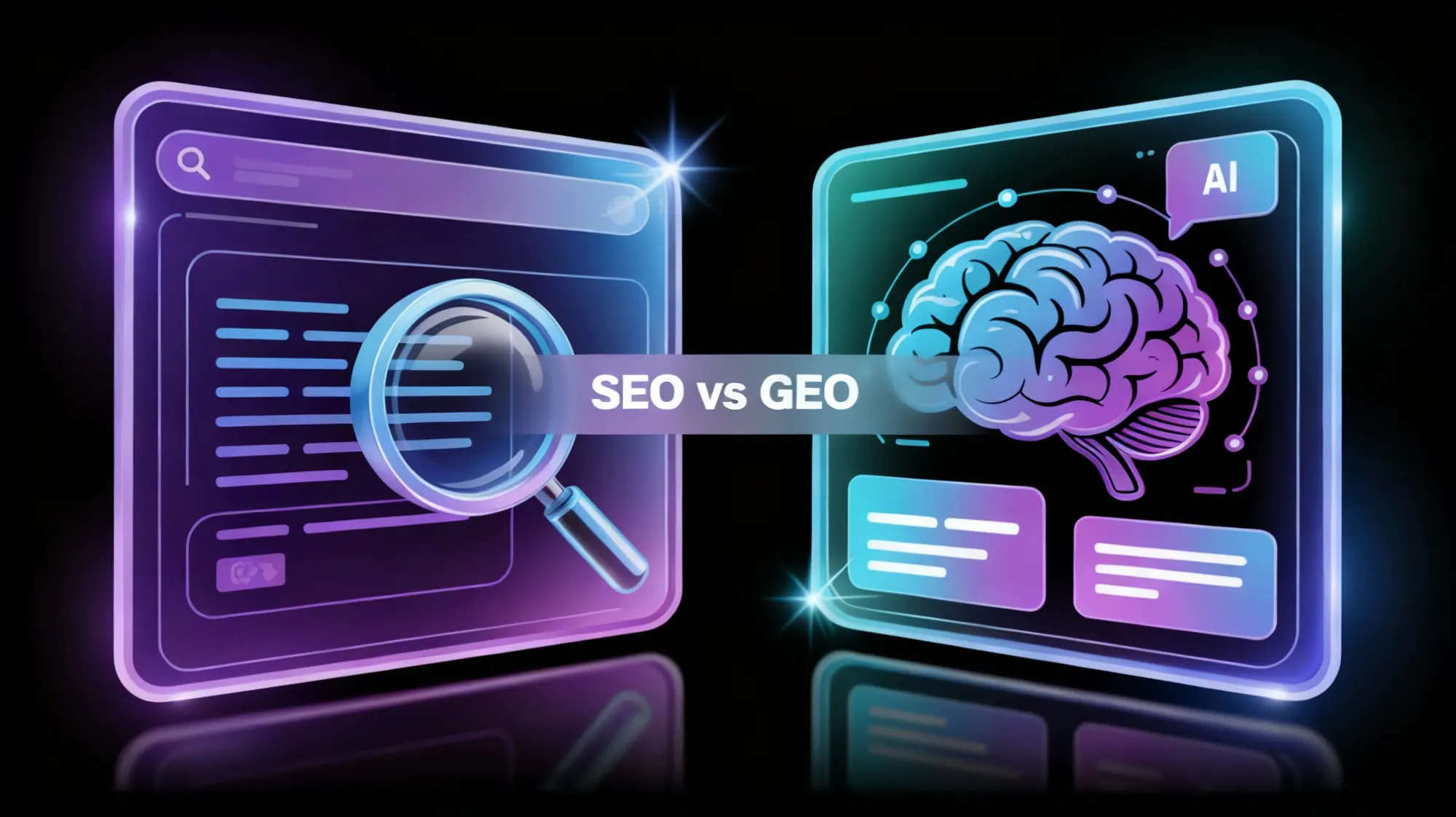
SEO vs AI: Not Enemies, But Allies
The surface area of search has expanded:
- Google is still #1
- But AI tools (ChatGPT, Gemini, Perplexity) now cite top sources
- Voice + Image + Chat = new discovery channels
The smartest brands understand that AI search tools still depend on organic content. Structured data, EEAT-aligned articles, and FAQ-style explainers feed LLMs the answers they give users. If your brand isn’t part of that content stream, you’re invisible.
Common SEO Myths in 2025 — Debunked
1. AI will replace SEO
- False. AI needs structured, trusted sources — SEO content fuels that.
2. People don't click anymore
- Wrong. CTR patterns evolved. Well-ranked brands still get clicks.
3. Content alone is enough
- Not true. Without optimisation, even great content won't rank.
4. Paid ads are faster, so skip SEO
- Paid gives you temporary reach. SEO builds compounding equity over time. They work better together.
Re-Imagining SEO in AI Era
SEO performance now links to:
- Content marketing
- Product UX
- Brand perception
- CRO & user metrics
- AI-readiness
In 2025, high-performing brands treat SEO not as an isolated activity, but as an integrated operating layer within the business.
It means aligning SEO goals with business goals: Are we ranking? Are we converting? Are we staying top-of-mind? Are we training the AI models to associate us with this topic?
This requires tighter collaboration between SEO strategists, content teams, developers, and data teams.
Key Takeaways
- 1. Organic search still converts better than most paid channels (3x on average).
- 2. Brand visibility in Google is directly linked to authority and trust—not just ads.
- 3. AI won't replace SEO—but it's changing how SEO is done.
- 4. Cutting SEO budgets now is short-term thinking. Investing in AI+SEO hybrid strategies is vital for sustained growth.
Final Word
If your team is still debating whether to do SEO, you’re already falling behind.
The real winners in 2025 and beyond won’t be those who ask “Is SEO dead?” It’ll be the brands who ask: “How can we lead the search experience in our category?”
With people spending a significant share of their time online, organic visibility remains the only sustainable lever for growth in a rapidly compounding environment.